
Author name: kumarprashant21

The Impact of Social Media on Mental Health

The Impact of Social Media on Mental Health Discussing how social media usage can affect mental well-being and offering tips for healthier digital habits:     In today’s digital age, social media has become a ubiquitous part of life in Frisco, Dallas, and cities all around Texas. While these platforms have revolutionized the way we connect and share information, they also bring challenges, particularly to our mental health. As a leading psychiatric practice in Frisco, TX, we are delving into the impact of social media on mental health well-being and offering tips for healthier digital habits. The Double-Edged Sword of Social Media Social media, in essence, is a double-edged sword. It offers an unparalleled platform for networking, staying informed, and entertainment. However, excessive usage can lead to a range of mental health issues. Studies have linked prolonged social media use to increased risks of anxiety, depression, loneliness, and even decreased self-esteem, particularly among the youth in Frisco and Dallas areas. So we have to be aware about Impact of Social Media on Mental Health. Recognizing the Signs Residents of Frisco, Dallas, and nearby Texas cities should be aware of the signs of social media-induced stress. These can include feelings of inadequacy after viewing others’ posts, anxiety from the constant need to check notifications, or a general sense of disconnection despite being more ‘connected’ than ever. Cultivating Healthier Digital Habits Mindful Usage: Be conscious of the time spent on social media. Setting specific times for checking these platforms can significantly reduce stress. Quality over Quantity: Focus on meaningful interactions rather than the number of likes or followers. Engage with content that uplifts and informs. Digital Detox: Regular breaks from social media are essential. Encourage digital detox days or weekends, especially for the young population in Frisco and Dallas schools. Real-Life Connections: Balance online interactions with real-life connections. Attend community events in Frisco or join clubs in Dallas to foster physical social networks. Seek Professional Help if Needed: If you find that social media is significantly impacting your mental health, consider speaking with a mental health professional and get well from Impact of Social Media on Mental Health. In Frisco, our psychiatric practice offers specialized care in managing digital stress. Conclusion In Frisco, Dallas, and across Texas, understanding the impact of social media on mental health is crucial. By adopting healthier digital habits and staying mindful of our online activity, we can enjoy the benefits of these platforms without compromising our mental well-being. At Empower Mind PLLC, located in the heart of Frisco, we are committed to providing exceptional mental health services. Whether you’re dealing with social media-related stress or other mental health concerns, our team is here to help you navigate these challenges.

The Impact of Social Media on Mental Health Read More »

Mental Health Care in Frisco

Understanding Telepsychiatry: Benefits and How It Works

Understanding Telepsychiatry: Benefits and How It Works Transforming Mental Health Care in Frisco, Dallas, Austin,Houston and Beyond   In a world where convenience and accessibility are increasingly valued, telepsychiatry has emerged as a vital tool in mental health care. Especially in the post-pandemic era, this innovative approach to psychiatric care has gained significant traction in Frisco, Dallas, Austin,Houston and surrounding cities in Texas, offering a beacon of hope and flexibility to those seeking mental health services. What is Telepsychiatry? Telepsychiatry, a subset of telemedicine, involves the delivery of psychiatric assessment and care through digital means. It typically entails video conferencing, allowing for real-time interaction between patients in Frisco, Dallas, Austin,Houston or anywhere in Texas, and their mental health professionals. This approach is reshaping how residents access mental health services, making it more convenient than ever. The Benefits of Telepsychiatry: Accessibility: For those living in Frisco, Dallas, Austin,Houston and nearby areas, telepsychiatry provides easy access to mental health care in frisco, eliminating the need for long commutes. Comfort and Privacy: Receiving care in the comfort of your own home ensures privacy and a sense of security, essential components for effective mental health care in frisco treatment. Flexibility: Telepsychiatry accommodates various schedules, making it a boon for busy Texans who find it challenging to fit appointments into their hectic lives. Continuity of Care: Even when traveling within Texas or beyond, patients can maintain consistent sessions with their trusted psychiatrist. Reduced Stigma: For individuals who are hesitant about visiting a mental health clinic in person, telepsychiatry offers a discreet alternative. How Telepsychiatry Works? Telepsychiatry sessions in Frisco or Dallas work much like traditional in-person sessions. After scheduling an appointment, patients receive a link to a secure video platform. During the session, patients and psychiatrists engage in a dialogue, just as they would face-to-face, allowing for diagnosis, treatment planning, and therapy. Who Can Benefit? Telepsychiatry is suitable for a wide range of mental health conditions. From anxiety and depression to more complex psychiatric disorders, residents in Frisco, Dallas, Austin,Houston and neighboring Texas cities can find the help they need. It’s particularly beneficial for those with mobility issues, time constraints, or a preference for receiving care in a familiar environment. Choosing Telepsychiatry in Frisco, Dallas, Austin,Houston and Surrounding Areas When selecting a telepsychiatry provider in Texas, consider factors like credentials, experience, and compatibility with your specific needs. Ensure they are licensed to practice in Texas and have a good understanding of the unique mental health landscape of the Frisco and Dallas areas.   In conclusion, telepsychiatry is not just a trend; it’s a revolutionary step in making mental health care in frisco more accessible, comfortable, and adaptable to the needs of people in Frisco, Dallas, Austin,Houston and throughout Texas. As we embrace this innovative approach, we open doors to a world where quality mental health care in frisco is just a video call away.   For residents of Frisco, Dallas, Austin,Houston and nearby cities in Texas seeking compassionate and professional telepsychiatry services, Empower Mind is here to help. Contact us today to learn more about how we can support your mental health care in frisco journey from the comfort of your home.  

Understanding Telepsychiatry: Benefits and How It Works Read More »

Post-traumatic stress disorder

PTSD

PTSD We provide Mental and Physical Healthcare in USA. Recognizing the triggers and symptoms of post-traumatic stress disorder (PTSD) is an important step in your recovery process. You don’t have to continue reacting in ways that affect your relationships and your quality of life. What Is Post-Traumatic Stress Disorder (PTSD)? Post-traumatic stress disorder (PTSD) is a mental illness that can develop after you experience a trauma. Major traumas include situations in which you suffer a serious threat to your life or witness a frightening event happening to someone else. There are actually three types of trauma: Big T traumas Small T traumas Little T traumas Events such as being kidnapped, witnessing a murder or a serious car accident, living through a natural disaster or undergoing severe physical or sexual abuse constitute big T traumas. When searching for PTSD treatment in Texas, you’ll find the Empower Mind. It’s a psychiatric practice that combines compassion with knowledge and experience to provide the most accurate diagnosis and the best treatment for PTSD. How Can I Recognize Post-Traumatic Stress Disorder? Not everyone who experiences traumatic events develops PTSD. You typically need to have a big T trauma in your history to receive a diagnosis of PTSD. The condition leads to a host of symptoms that are unique to each individual. Common PTSD symptoms include: Insomnia Irritability Intrusive memories or dreams Flashbacks Avoidance of triggers Negative thinking patterns Hypervigilance Startling easily Problems concentrating Excessive fear and anxiety De-realization — feeling like everything is a dream PTSD can also lead to other, co-occurring disorders such as depression, alcoholism or substance abuse. Does PTSD Cause Complications? Researchers believe that when you experience a serious trauma, the brain may not be able to process and understand what’s happening. So the brain gets stuck and continues to respond as if the threat was still going on even when it has passed. As a result, you’re subject to serious behavioral complications, such as: PTSD impedes how you function every day, affecting not only how you respond to others, but also limiting what you can and can’t do. It strains your relationships to the point of isolation. PTSD may make you feel alone or ashamed, since you can’t control the symptoms. It’s common to believe that no one can understand what you’re going through. But the way PTSD works is also good news because the best PTSD therapy allows you to finish processing the trauma and put it behind you. Helping you understand what’s going on is a specialty of the Empower Mind. What Kind of Talk Therapy Treats PTSD ? Cognitive behavior therapy (CBT) focuses on finding the beliefs and thoughts that are holding you back and challenging you. The talk therapy then helps you replace them with more positive thoughts. During trauma-focused CBT, you uncover negative beliefs that many trauma survivors develop such as: “It’s my fault.” “I should have known better.” “I am weak.” Trauma-focused CBT helps you tell a new story about your experience. It involves working on the skills you need to face things like flashbacks, triggers and interpersonal difficulties. Over time, you develop a more accurate and kinder understanding of what happened. Education about PTSD, as well as group therapy, helps you recognize that you’re not alone and that you can get better. Are There Other Therapies That Work? There are two other therapies that have proven results: Exposure therapyis a PTSD treatment for which you list the images and experiences you fear, and then you gradually learn to face them. This can be done in your imagination or in person by doing things like going to places that trigger you. As you face these situations, the emotional center of your brain slowly realizes that you’re no longer in danger. Eye movement desensitization and reprocessing (EMDR)is a newer type of exposure therapy that’s becoming more popular. During this post-traumatic stress disorder (PTSD) treatment, you relive traumatic experiences by describing them vividly to your therapist while following his finger back and forth with your eyes. This exercise stimulates both halves of your brain so that you can process the trauma and get it out of the emotional centers and into the more logical centers of your brain. Mind-Body Treatment Post-traumatic stress disorder (PTSD) clearly affects both the mind and the body. Nightmares can result in cold sweats. Fearful automatic thoughts can result in adrenaline rushes. Depression can squash your appetite and energy levels. Our expert PTSD therapist treats post-traumatic stress disorder and other mental disorders with an integrative approach to treat all aspects of your condition. Diet, exercise and building a routine are part of any PTSD therapy. Because trauma can lead to symptoms that require medication, rely on a psychiatrist who can provide you with ongoing medication management. Contact Empower Mind, where convenient online telepsychiatry is a specialty FAQ’s Are there physical problems that are commonly associated with PTSD? In addition to the thoughts and feelings identified in the What is PTSD? section, people with PTSD may also experience physical symptoms, such as increased blood pressure and heart rate, fatigue, muscle tension, nausea, joint pain, headaches, back pain or other types of pain. The person in pain may not realize the connection between their pain and a traumatic event. For people with chronic pain, the pain may actually serve as a reminder of the traumatic event, which in turn may intensify PTSD symptoms. Some people who develop PTSD and chronic pain also experience depression and alcohol and prescription medication misuse. Chronic PTSD has been shown to increase the risk of having a variety of health issues and decreased life expectancy. My spouse has just been diagnosed with PTSD, how can I best help? A person contending with exposure to a traumatic event may feel helpless, prompting a concerned spouse to want to take action to help. Perhaps the most powerful approach is to just be there for the person, show acceptance and concern, and listen without being judgmental or giving advice. Allow your spouse to talk about the trauma only if

PTSD Read More »

ocd treatment dallas

Obsessive Compulsive Disorder (OCD)

(OCD)Obsessive Compulsive Disorder Treatment There is hope if you suffer from OCD. We Provide Obsessive Compulsive Disorder Treatment Or OCD Treatment Dallas, Austin & Texas. Learn to minimize obsessions and compulsions. If you suffer from unwanted and intrusive thoughts, urges or images that you can’t get out of your head, you may have Obsessive Compulsive Disorder (OCD). Many people with OCD spend several hours every day focusing on obsessive thoughts, which can compel them to repeatedly perform ritualistic behaviors and routines (compulsions) to try and ease the associated anxiety. So you need treatment and we provide OCD treatment Dallas, Austin & Texas. Typical OCD obsessions include: Constant, irrational worry about dirt, germs, or contamination Excessive concern with order, arrangement, or symmetry Fear that negative or aggressive thoughts or impulses will cause personal harm or harm to a loved one Preoccupation with losing or throwing away objects with little or no value Excessive concern about accidentally or purposefully injuring another person Feeling overly responsible for the safety of others Distasteful religious and sexual thoughts or images Doubting that is irrational or excessive Frequent OCD compulsions include: Cleaning — Repeatedly washing hands, bathing, or cleaning household items, often for hours at a time Checking — Checking and re-checking several to hundreds of times a day that the doors are locked, the stove is turned off, the hairdryer is unplugged, etc. Repeating — Inability to stop repeating a name, phrase, or simple activity (such as going through a doorway over and over) Hoarding — Difficulty throwing away useless items such as old newspapers or magazines, bottle caps, or rubber bands Touching and arranging – Repeatedly touching a specific place or arranging objects in a particular pattern Mental rituals — Endless reviewing of conversations, counting; repetitively calling up “good” thoughts to neutralize “bad” thoughts; or excessive praying and using special words or phrases to neutralize obsessions We Can Help The Empower Mind clinicians have the specialized training and experience to help you or your child manage Obsessive Compulsive Disorder. Using the latest evidence-based OCD treatment dallas, austin & texas, including cognitive behavior therapy and exposure therapy, we help you minimize your obsessive thoughts and reduce compulsive behavior. When medication is warranted, a psychiatrist will collaborate with your therapist to provide state-of-the-art-treatment so you can begin to feel better and overcome your OCD. Obsessive Compulsive Disorder can be overwhelming, but with the right support and treatment, you can regain control of your life. Empower Mind’s team of specialized clinicians are dedicated to providing evidence-based care and guiding you through the process of managing OCD. OCD Treatment Dallas Obsessive Compulsive Disorder (OCD) is a mental health condition characterized by intrusive thoughts and repetitive behaviors. Empower Mind offers specialized OCD treatment dallas, Austin & Texas, including cognitive behavior therapy and exposure therapy, to help individuals manage OCD. Our experienced clinicians provide evidence-based care to minimize obsessive thoughts and reduce compulsive behaviors.

Obsessive Compulsive Disorder (OCD) Read More »

Insomnia

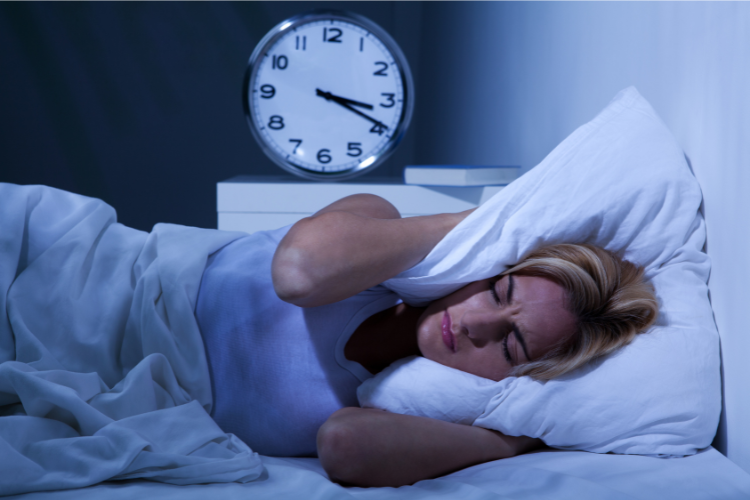
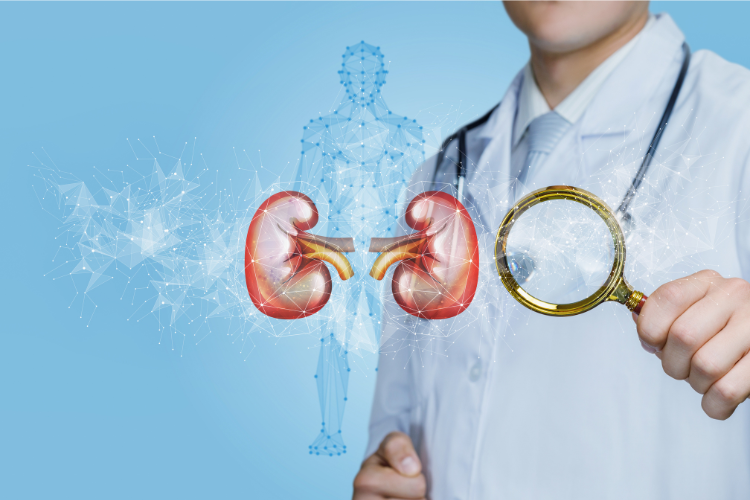
Insomnia Treatment Insomnia is a common but treatable condition Do You Need to Get Your Sleep Schedule Back on Track? Everyone has had a night where you just can’t fall asleep no matter how hard you try. It’s natural to have isolated occasions of a sleepless night here and there, but when it becomes chronic, then it’s a problem. This condition is called insomnia, and we can help you take steps to cure it so you can get a good night’s sleep. Insomnia is an all-too-common problem for many different people. When you have insomnia, it can be difficult to fall asleep. You may lay in bed for hours, staring at the clock with no relief in sight. Or you might fall asleep, only to wake up a few minutes later or much too early for a full night of sleep. It causes sleep deprivation, which can be dangerous if it continues for too many sleepless nights. Insomnia is a Widespread Problem Insomnia is a frustrating condition, defined as an inability to fall or remain asleep, which affects 30 – 60% of the population. Chronic insomnia can result in fatigue, mood disturbance, difficulty with focus, and poor performance at school or work. Insomnia can have many causes and is often associated with other underlying conditions which should be ruled out by a medical professional, including endocrine or gastrointestinal disorders, respiratory issues, or neurological conditions. Sleep disorders such as restless leg syndrome and sleep apnea can cause it as well. Symptoms of Insomnia People with insomnia can be irritable or show other signs of mental distress like anxiety, depression or panic attacks. Insomnia can create a feeling of excessive fatigue and the necessity to sleep during the day. Because of your sleep deprivation, it can be dangerous to drive or to do tasks that require mental focus. The side effects of this disease are downright dangerous, so it’s important to treat your lack of sleep. Causes of Insomnia The causes of insomnia vary, but in most cases can be treated or your behaviors can be changed. A common reason for insomnia is stress. You may be lying in bed every night worried about money, the future or your job, and that worry is keeping you awake. If you’ve suffered something life-changing like a death or job loss, the side effects of that event could be the inability to sleep. Here are some of the many other causes of insomnia: Use of devices: The digital world is creating sleep problems for many people. Devices like smartphones, iPads, and laptops can interfere with your sleep and cause your brain to want to stay awake. When electronics are brought into bed with you the brain no longer associates the bedroom with sleep, thus causing you to have it. Work or travel: Insomnia can be caused by having an unusual schedule that interferes with normal sleep. For instance, if you work on the graveyard shift or travel often, then your body’s circadian rhythm won’t have a chance to reset. Inconsistent sleep schedules work to disrupt your body temperature and natural internal clock, and it can be hard to easily fall asleep. Eating too late:If you love to have a late-night snack, then you may be sending your body the wrong message when it comes to falling asleep. Whether it’s a late dinner or hot beverage your brain may be interpreting the ingestion of food as a signal to wake up. Eating late at night can also give you acid reflux or heartburn, which can make it uncomfortable to fall asleep. Medical conditions: There may be an underlying medical condition that’s causing your insomnia. We can help you narrow down the possible causes of this disease and advise you if you may need to see your physician about the problem. And you can take insomnia treatment. What Are the Symptoms of Insomnia? Insomnia may affect different people in different ways, but there are common traits to those with the condition. Some of the symptoms of insomnia include: Drowsiness during the day Grumpiness Fatigue Inability to focus or concentrate at work or school What Are the Risks Associated with Insomnia? Sleep is a basic human need, just like eating and breathing. You need a proper amount of sleep for your body and mind to perform optimally. Not getting enough sleep can, over time, lead to deadly consequences. Medical research links sleep deprivation to an increased risk of: Kidney disease Diabetes Heart disease High blood pressure Stroke Even obesity Lack of enough sleep affects your mental well-being, while also impacting your daytime performance and safety. Insomna also has a negative economic impact. A recent study shows that this sleeping disorder causes $63 billion in lost work performance yearly. Who Is at Risk for Developing Insomnia? Most people recover from this sleeping disorder before it develops into a chronic problem. And not everyone is affected in the same ways, whether for acute or chronic insomnia. But some people are more susceptible to suffering from insomnia. The risk factors for the condition include: Age, as the older you get, the more likely you’ll have insomnia Gender, as women are at more risk due to hormonal shifts during menstrual cycles and menopause  Chronic illnesses, such as diabetes, kidney disease, lung disease, arthritis and Alzheimer’s disease Medicationssuch as steroids, diet pills, decongestants and asthma treatment Lifestyle behaviors, such as a lack of exercise, poor nutrition and a lot of screen time Most people recover from this sleeping disorder before it develops into a chronic problem. And not everyone is affected in the same ways, whether Still, there are steps you can take to avoid insomnia, and can take insomnia treatment or, if you already have it, to get it treated. If you have problems falling asleep or staying asleep at night, contact a trained psychiatrist at the Empower Mind for diagnosis and treatment. for acute or chronic insomnia. But some people are more susceptible to suffering from insomnia. So, you have know about insomnia treatment. The risk factors for the

Insomnia Read More »

Eating Disorder Treatment

Eating Disorder

Eating Disorder Treatment An eating disorder is a dangerous condition because of the many physical and mental consequences it carries. Untreated eating disorders lead to a wide range of complications — from depression, anxiety and isolation to hair loss, digestive problems and even death. What Is an Eating Disorder? Eating disorders are serious mental illnesses characterized by a distorted attitude towards food and an unhealthy obsession with weight, body shape, and appearance. People with eating disorders may struggle to identify their actual body weight and shape and may have a distorted self-image. They could experience a strong fear associated with weight gain even if they are underweight. The three main forms of eating disorders are anorexia nervosa, bulimia nervosa, and binge eating disorder. Eating disorders can have major physical and psychological effects, and recovery may necessitate professional help. What Are the Risks and Symptoms of Eating Disorders? Eating disorders are complex mental illnesses that can have detrimental effects on the body and the mind. Some of the risks and symptoms of eating disorders include: Physical risks: Malnutrition Dehydration Anemia Muscle weakness and loss Osteoporosis Heart problems Kidney problems Seizures Psychological symptoms: Extreme focus on weight, food, and body shape Distorted body image Low self-esteem Difficulty coping with emotions Difficulty with relationships Social isolation Depression Anxiety Obsessive thoughts and behaviors Seek professional treatment as soon as possible if you suspect that you or someone you know has an eating disorder. Failure to receive timely treatment can render eating disorders challenging to recover from and can have detrimental physical and psychological effects. What Are the Different Types of Eating Disorders? There are several different types of eating disorders, including: Anorexia nervosa:Anorexia nervosa is characterized by extreme restriction of food intake and an intense fear of gaining weight. People with anorexia nervosa may have body image disturbance and tend to feel they are overweight even though they are underweight. Anorexia nervosa can have serious physical consequences, including malnutrition, osteoporosis, and organ damage. Bulimia nervosa:Bulimia nervosa is characterized by episodes of binge eating followed by behaviors such as purging (e.g., vomiting, laxative abuse) or excessive exercise to compensate for the binge. People with bulimia nervosa may also have a distorted self-image and may be obsessed with their weight and body shape. Bulimia nervosa can have serious physical consequences, including electrolyte imbalances, tooth decay, and gastrointestinal problems. Binge eating disorder:Binge eating disorder is characterized by episodes of binge eating without the compensatory behaviors seen in bulimia nervosa. People with binge eating disorders may feel out of control and quickly consume large amounts of food. Binge eating disorders can lead to weight gain and an increased risk of obesity and related health problems. Other specified feeding or eating disorder (OSFED):The term “OSFED” refers to eating disorders that don’t fully fit the anorexia nervosa, bulimia nervosa, or binge eating disorder criteria but nonetheless dramatically impact a person’s life. Examples of OSFED include atypical anorexia nervosa (e.g., maintaining a normal weight but still restricting food intake) and purging disorder (e.g., purging without binge eating). What Are the Causes of Eating Disorders? Like most mental illnesses, multiple factors influence eating disorders. A combination of psychological, biological and environmental issues contributes to the development of these disorders. That’s why you need to consult a doctor well-versed in both the physical and psychological aspects of the condition. Your eating disorder psychologist uncovers the unique set of circumstances that likely led to your illness. Working together, you and your doctor can address each factor, which may include: Biological factors, such as genetics, irregular hormone functions and nutritional deficiencies Psychological factors, like low self-esteem and a negative body image Environmental factors,which range from a dysfunctional family and career pressure, especially for models and dancers, to aesthetically-oriented sports like rowing, diving and gymnastics Family and childhood traumas, sexual abuse, peer pressure and stressful life transitions also create an environment where ED may result. Your psychiatrist treats each factor, as it applies to your specific case. And successful treatment modalities do exist. How Is Eating Disorder Diagnosed? The diagnosis of eating disorders can only be made by a mental health professional, such as a psychologist or psychiatrist. The diagnosis is typically based on a combination of factors, including a thorough medical and psychological evaluation, as well as a review of the person’s medical and family history. During the evaluation, the healthcare professional will ask the person questions about their eating habits, thoughts about food and weight, and other related behaviors. The healthcare professional will also assess the person’s physical health and look for any signs or symptoms of an eating disorder. It is important to note that there is no one test that can diagnose an eating disorder. The diagnosis is based on a combination of factors and requires a thorough evaluation by a qualified professional. If you suspect that you or someone you know has an eating disorder, it is critical that you receive timely treatment from a mental health professional. How Eating Disorder Treatment Works? Eating disorders are mostly treated with a combination of therapy, medication, and nutrition counseling. The particular treatment plan will be determined by the requirements of the individual and may vary based on the kind and complexity of the eating disorder. Common treatments for eating disorders include: Cognitive behavioral therapy (CBT) and dialectical behavior therapy (DBT).These therapies can be delivered both on a one-to-one basis and in groups and assist individuals in identifying and changing problematic eating and weight-related cognitive patterns and behaviors. Antidepressants and antipsychotics may be prescribed to help manage symptoms such as depression, anxiety, and obsessive thoughts about food and weight. Nutrition counseling.Nutrition counseling is an important part of treatment for eating disorders and can help individuals learn how to eat a healthy, balanced diet and restore their bodies to a healthy weight. Family-Based Treatment (FBT).FBT is primarily used for adolescents with Anorexia Nervosa. It entails a specialist guiding a family on how to help their child regain weight, giving specific advice for the parents to retake control and

Eating Disorder Read More »

Bipolar Disorder

Bipolar Disorder Treatment If you experience extreme levels of energy and enthusiasm, followed by severe bouts of depression, you may have bipolar disorder. This is a dangerous condition that too often goes untreated. The best thing to do is contact a doctor experienced in diagnosing and treating bipolar disorder. First, find out if you truly have some type of condition. Second, receive the proper treatment before you face unwanted consequences. Am I Just Moody? Manic depression is a mood disorder that involves extreme mood swings. A broader term, called bipolar disorder, encompasses a wider variety of mood swings. Understanding these extreme mood swings is the beginning of being able to safely navigate and control your moods to keep them from interfering with your daily life. With bipolar disorder, you experience wide ranges in your moods — from significant sadness, known as bipolar depression, to extreme euphoria, called mania or hypomania. Your mood swings may occur occasionally, or they may cycle rapidly several times a year. Bipolar disorder is a lifelong condition with no known cure, but you can learn to manage it. While a qualified psychiatrist can diagnose the condition at any age, the most noticeable symptoms appear in your late teens or early twenties. The experienced practitioner — serving patients in — successfully manages the condition with a bipolar disorder treatment plan. What Are the Types of Bipolar Disorders? Manic depression is only one type of bipolar disorder. Not all bipolar disorders are manic depression. Other types of dramatic mood changes are related but have different symptoms, causes, or treatments. Medications Group therapy Psychological therapy Understanding your specific condition by focusing on your unique symptoms allows your doctor to tailor a successful treatment plan. The best treatment for bipolar disorder for you takes into account your diagnosis. The types of bipolar disorder include: Bipolar I disorder. This severe form of bipolar disorder means that you experience manic episodes — feelings of euphoria, extreme energy, and irritability — followed by a period of deep depression. Bipolar depression affects your pleasure centers, causing feelings of hopelessness and sadness. Occasionally, the mania causes a break from reality, dropping you into an episode of psychosis. Bipolar II disorder. Called hypomania, this is a milder form of mania that’s associated with excessive energy along with scattered thoughts. If you’ve experienced hypomania and depression, but not intense mania, your psychiatrist may suggest bipolar II treatment. Cyclothymic disorder. This form of bipolar disorder encompasses hypomania and milder forms of depression. Before diagnosis, you’ve been suffering from these mood changes for at least two years. Other disorders. Other conditions may induce bipolar-type symptoms. Drugs, alcohol, stroke, multiple sclerosis and Cushing’s disease all contribute to changes in the brain that may initiate bipolar symptoms. What’s the Significance of a Specialized Bipolar ? Severe mood swings can become dangerous, as prolonged feelings of depression can lead to self-harm, substance abuse, and even suicide. At the same time, prolonged mania affects your sleep, judgment, and ability to think clearly. Extreme disrupts your life. Connect with a specialized psychiatrist at Empower Mind to screen for biological causes of your mood swings. Symptoms that an experienced psychotherapist recognizes when diagnosing bipolar disorder include: Wired or agitated behavior Sleeplessness Fast and sometimes garbled talking An exaggerated sense of what you can accomplish Dangerous behavior patterns Poor decision-making that may include spending sprees, gambling or taking sexual risks As the mania subsides, you experience severe feelings of sadness, hopelessness, emptiness, irritability and tears. After a period of mania with little sleep, you find it hard to eat or even get out of bed. If this sounds familiar, it’s time to get some effective treatment. What’s the Treatment for Bipolar Disorder? While your mood swings may be extreme, you still may not seek treatment for some time. The feelings of euphoria can be so pleasant that you may not even want to control them. The most dangerous complications result when the high feelings of euphoria are followed by severe lows. Consequences range from poor work performance to financial or legal problems. Damaged relationships, substance abuse, and even suicide attempts aren’t uncommon. There’s hope. Effective bipolar treatments include: Medications. Prescription medicine balances your moods and provides a sense of stability. Such drugs include antidepressants, anti-anxiety medication, mood stabilizers, antipsychotics or some combination of them. Finding the correct combination takes time. Your psychiatrist works with you to manage your medications and make appropriate adjustments. Day treatment programs. Examples of these programs include group support and individual counselingto manage your symptoms. Continued counseling and support teach you to watch for triggers and stay ahead of consequences. Proper education and intervention can work wonders. Substance abuse treatment. If you’re like many people with bipolar disorder, you’ve been self-medicating to manage your moods. Substance abuse causes its own set of problems, both physical and emotional. Hospitalization. if your symptoms become severe or you’re a danger to yourself and others, sometimes the best path to your recovery starts with a hospital stay. Bipolar disorders are complicated, but they’re manageable with proper education, medication, and support from an expert in the field. , Contact Empower Mind where you’ll find both in-person opportunities for specialized treatment and telepsychiatry options that allow you to begin your treatment as soon as possible. Weekend and after-hour appointments are available. FAQ’s How quickly does a person with bipolar disorder shift between highs and lows? It depends. Mood shift frequency varies from person to person. A small number of patients may have many episodes within one day, shifting from mania (an episode where a person is very high-spirited or irritable) to depression. This has been described as “ultra-rapid cycling.” Does having one manic episode necessarily mean you will have more and will have depressive episodes? Not necessarily. Studies have shown that approximately 10 percent of patients have a single episode only. However, the majority of patients have more than one. The number of episodes within a patient’s lifetime varies. Some individuals may have only two or three within their lifetime while others may have the same number

Bipolar Disorder Read More »

Autism Spectrum Disorder

Autism

Autism Spectrum Disorder: Diagnosis & Treatment The Empower Mind can help complement autism treatment with therapeutic options that improve behavior. Autism Spectrum Disorder Symptoms can be Minimized with Proper Treatment Autism, or autism spectrum disorder (ASD), refers to a range of conditions characterized by challenges with social skills, repetitive behaviors, speech, and nonverbal communication, as well as unique strengths and differences. Research has shown that early evaluation is crucial for getting early intervention, which can greatly improve long-term outcomes for individuals across the spectrum. Autism and Developmental Assessments When children exhibit a delay or difference in development that causes concern for parents or caregivers, it may be helpful to conduct a Developmental or autism spectrum disorder  (ASD) evaluation. Evaluations can be conducted for children as young as 12 months of age, to identify delays in milestones in the following areas: Motor skills Social communication skills Cognitive skills Adaptive skills Social-emotional development Children can also be referred for evaluations due to behavioral problems such as tantrums or difficulties with self-regulation. Early assessment can result in therapeutic interventions that can greatly improve a child’s progress and potential. A comprehensive report will include actionable recommendations for parents. We utilize the Autism Diagnostic Observation Schedule, considered the gold standard tool to diagnose autism spectrum disorder.  The provider, specially trained in the ADOS, will engage your child in play-based tasks and questions to build a profile of areas of strength and areas for growth.  This will allow the provider to create recommendations for goals that can be used by parents and caregivers, schools, and other specialists, such as speech and language therapists, physical therapists, and occupational therapists. We try to make the experience as easy as possible for families, with age-appropriate observation and in-person sessions to make your child comfortable. The assessment also includes parent interviews, questionnaires, and reviews of medical and developmental history (including available records from previous evaluations, other specialists, or school reports). We may also recommend a combination of neuropsychological tests to understand what’s going on for your child and how you can best support the child’s development. We Can Help Children and adolescents with autism spectrum disorder often experience significant anxiety, mood difficulties, and behavior problems. Empower Mind psychologists to work closely with children and adolescents, parents, schools, and other providers to address these types of co-occurring issues. When appropriate, we refer patients to highly regarded local programs for Applied Behavior Analysis (ABA) or social skills treatment.

Autism Read More »

Child Anxiety Disorder Treatment

Child & Adolescent

Child & Adolescent Early treatment Child Anxiety Disorder Treatment and intervention can improve a child’s long-term mental health prospects. Anxiety and Mood Disorders are Increasingly Common in Children For our children to reach their fullest potential, we know that emotional health is as important as physical health. Psychiatric disorders such as anxiety disorders, depressive disorders, ADHD, and trauma are some of many mental health problems that impact emotional development in youth. Additionally, environmental stressors such as social difficulties, donnish problems, and ongoing family conflict can also have a significant impact. At The Empower Mind, we work with children, adolescents, and their family members to combat common mental health problems, such as childhood depression, social anxiety, phobias, separation anxiety, and adjustment problems caused by young children and adolescents struggling in school, as well as other typical fears and worries. Our specialized child psychologists, therapists, and psychiatrists offer age-appropriate treatment for children as young as 2 years old, teaching behavioral strategies and coping skills that reduce the symptoms of anxiety, depression, behavioral problems, and other mental health disorders. Children and adolescents are dealing with more anxiety and mental health problems than ever before; family, school, and social pressures are common. While nervousness, fears, worry, and sadness are normal experiences for everyone, sometimes these experiences can be overwhelming and significantly impact a young person’s life. Up to 12% of children are affected by anxiety disorders, with symptoms often appearing in children as young as preschool age. When to Seek Treatment Seeking a consultation with a health professional, such as a child therapist, pediatric psychiatrist, or pediatrician can be very helpful when dealing with mental health issues. These professionals can assess your child and direct you toward the appropriate resources, which could include individual therapy, family therapy, psychiatric services (including medication consultation), or psychological and neuropsychological assessment. By beginning treatment when your child’s symptoms first appear, you improve their potential for a healthy life and empower your child to navigate life more easily. When to Seek Treatment – Signs and Symptoms: My child avoids taking risks that other kids his age engage in. My child won’t go to birthday parties and avoids social situations. She won’t speak to anyone outside the family. My son’s anxiety seems to last longer than his friends. He is always worried and asking us for reassurance. My middle school age daughter won’t sleep over at friend’s houses. My child refuses to go to school for days at a time. My teenage son is always complaining about headaches and stomachaches and our doctor tells us he is anxious. My child is much more active than his friends and he can’t pay attention in school. My child is having difficulty sleeping. His normal sleep patterns have been totally disrupted. My child has excessive fears and phobias of specific things like dogs, thunderstorms, insects, or getting sick. My child’s behavior has changed; she seems less interested in activities she used to be into or less engaged with family and peers than before. We Can Help The Empower Mind’s Child and Adolescent program includes highly trained child psychiatrists, psychologists, counselors, and therapists who provide evidence-based assessment and treatment. A typical assessment includes a focus on your child’s strengths and weaknesses to understand your child in the context of their environment, both at school and at home. Our treatment providers value the importance of ongoing clinical consultation with important figures in your child’s life. We regularly work with schools, pediatricians, and others to inform the most comprehensive and effective treatment. Our team of psychologists and therapists has advanced training in a range of therapies, including cognitive behavioral therapy (CBT), dialectical behavior therapy (DBT), and family therapy. In addition, our child and adolescent psychiatrists have specialized training in pediatric mental health, and can prescribe medication when necessary that is appropriate for your child’s condition. Psychological and neuropsychological testing are also helpful tools when trying to understand the source of a young person’s struggles. Often these kinds of assessments are recommended by school and medical professionals to gain a more comprehensive understanding of a child or teen’s cognitive and academic strengths and weaknesses. An assessment of social and emotional functioning can also provide a more detailed understanding of a young person’s personality and temperament. All these assessments are offered at The Empower Mind. Parent and Family Support A positive treatment outcome is impacted by good family support. Parents are always included in our initial consultations and they are an integral part of a child or teen’s treatment. We recognize how important it is to teach parents and often the entire family the best ways to respond to your child or teen during their times of need. Parent support is often recommended for school-age children. Your child’s clinician can teach tools and strategies to support you in responding most effectively when your child becomes anxious or is acting out. Parents can come for their own treatment or as an adjunct to their child’s treatment.

Child & Adolescent Read More »

Addiction

Addiction Treatment When you continue to use drugs, alcohol or other destructive substances despite numerous efforts to quit, you may be addicted.  What Is Addiction? Addiction means that you’re using drugs against your will, regardless of the harmful consequences. It’s a complex, chronic disease that keeps you mired in dangerous habits. Addiction puts your physical and mental health at risk. Over time, abused substances change your brain chemistry, altering how you think and eventually leading to destructive patterns of behavior. In addition to the compulsive activity, there are warning signs associated with various kinds of addictions. An addiction tends to: Disrupt your life Impair your work habits and other daily activities Take a toll on your physical health Ruin relationships Disrupt your hobbies and fitness routines Interfere with your financial goals What type of Addictions are there ? Although drugs are probably the most commonly abused substance, other compulsions cause damaging psychological and physical consequences. An experienced addiction psychiatrist specializes in treatment for the various manifestations of addiction, including: Alcohol addiction Sex addiction Food addiction Opioid addiction Obsessive compulsive disorder (OCD) Nicotine addiction Do I Have to Check into a Clinic? Addiction is difficult, if not impossible, to overcome by yourself. And despite your best efforts, you run the risk of a relapse. But you don’t necessarily need to check into an overnight facility. Outpatient addiction treatment works for you, as well. If you’ve lost control, get help from a psychiatrist who provides effective psychotherapy, including medication, to help you avoid a dreaded relapse. Each type of addiction requires a slightly different approach, such as: You may need medication managementto deal with withdrawal symptoms from drugs like opioids. Stand-alone psychotherapy, more commonly known as talk therapy, may be sufficient to overcome a shopping or gambling addiction. Which Medications Treat Addiction? For your health and safety, rely on an experienced addiction psychiatrist to prescribe and manage your medications, so you can eventually reduce your dependence on those medicines. Several addiction medications are available that help alleviate withdrawal symptoms and regulate various mental health issues interfering with your recovery. Your therapist may recommend a variety of medications, including: Suboxone for opiate addiction Antabuse to aid in alcohol recovery Campral, which regulates brain chemistry when withdrawing from alcohol Wellbutrin to help with methamphetamine and nicotine cravings Remeron to treat symptoms of depression Selective serotonin reuptake inhibitors (SSRIs) for anxiety What Is Cognitive Behavioral Therapy for Addiction? You can begin the road to recovery once you’ve gone through withdrawal and detox or recognized the destructive nature of your compulsive behavior. A balanced talk therapy approach, either in individual therapy or group therapy, is the next step. The type of outpatient addiction treatment you need depends on your diagnosis, personal preferences and your addiction psychiatrist’s recommendations. One of the most effective talk therapy treatments for addictions is cognitive behavioral therapy (CBT). Once your doctor designs a CBT treatment technique for your unique needs, you can identify those self-defeating behaviors and impulses behind your addiction. Extensive research has proven the benefits of CBT. As your therapy evolves, you can look forward to benefits that include: Re-examining the beliefs that direct your negative thinking Learning new skills for coping with your compulsions Developing strategies to avoid relapse Working closely with your psychiatrist to unravel the aspects of your personality that led to addiction Understanding any co-occurring conditions you may have Finding constructive ways to deal with stress What’s Beyond Cognitive Behavioral Therapy? In addition to cognitive behavioral therapy for addiction, your NY therapist offers a range of alternative outpatient addiction treatments. If CBT doesn’t work for you, then other options may suit you better, such as: Integrative therapy, a treatment that takes for granted that you know best what you need to treat your body, mind and spirit Gestalt therapy, another form of holistic therapy, but focusing on the present and your current behavior Dialectic behavior therapya technique that teaches you ways to lower stress, remain mindful of your emotions and communicate more effectively Because you may have created additional problems in your life due to your addiction, you may need additional talk therapy to work through those issues, such as: Family therapy Marriage counseling Relationship counseling Career counseling Grief counseling No matter what kind of addiction afflicts you, it’s time to find relief through a compassionate addiction psychiatrist. Empower Mind wants what’s best for you. We  can help you get back to a life well lived. To begin your journey of recovery, Contact Empower Mind today.  Let’s talk about your specific needs. Appointment Now

Addiction Read More »

Empower Mind

Keep up with the latest news from Empower mind.

You have been successfully Subscribed! Ops! Something went wrong, please try again.

A mental illness is a condition that affects a person’s thinking, feeling, behavior or mood. These conditions deeply impact day-to-day living and may also affect the ability to relate to others. If you have or think you might have a mental illness, the first thing you must know is that you are not alone.

Copyright © 2023 — All rights reserved by Empower Mind | Website Made By SalesEnzine.

Scroll to Top